
No obligation
SPECIALTY TRANSPORATION INSURANCE
Commercial Auto Insurance for NEMT
Understanding Commercial Auto Insurance for Non-Emergency Medical Transportation Businesses
By Iron Axis Insurance Agency Team
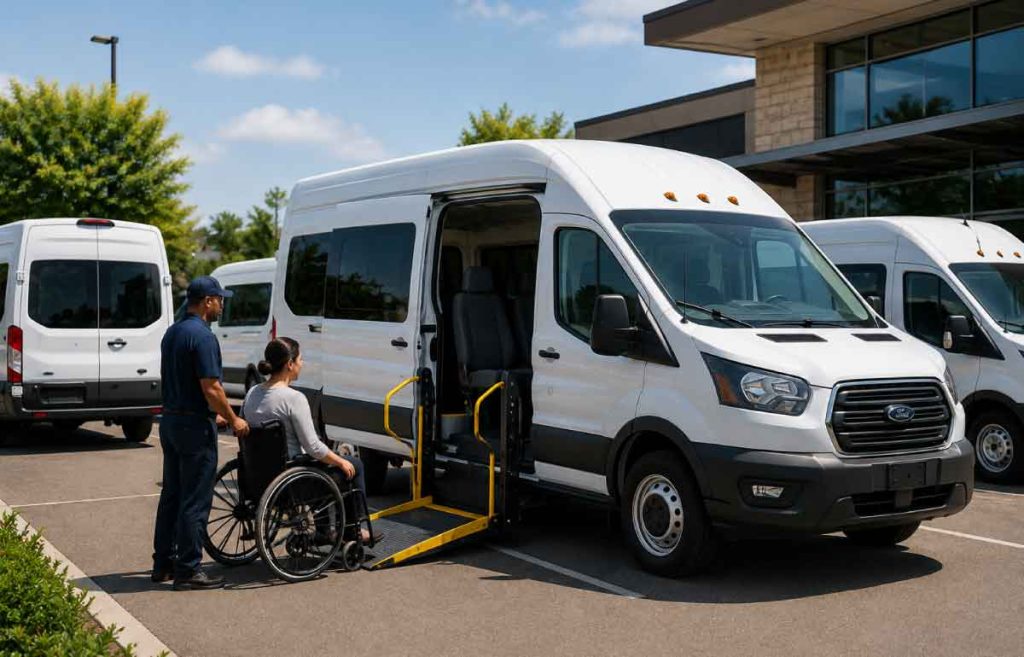
Commercial Auto Insurance is one of the core insurance coverages maintained by many Non-Emergency Medical Transportation (NEMT) businesses. Because NEMT companies operate commercial vehicles to transport passengers to medical appointments, hospitals, dialysis centers, rehabilitation facilities, and other healthcare destinations, personal auto insurance typically is not designed for these business operations.
Commercial Auto Insurance may help protect your business against covered accidents, property damage, and certain liability exposures involving vehicles used in your transportation operations. Coverage options and requirements vary depending on your business, vehicles, state regulations, and insurance company underwriting guidelines.
Commercial Auto Insurance may help protect your business against covered accidents, property damage, and certain liability exposures involving vehicles used in your transportation operations. Coverage options and requirements vary depending on your business, vehicles, state regulations, and insurance company underwriting guidelines.
What You'll Learn
- What Commercial Auto Insurance is
- Who may need Commercial Auto Insurance
- What Commercial Auto Insurance may cover
- Vehicles commonly insured
- Factors insurance companies may consider
- Frequently asked questions
- How to request a quote
What Is Commercial Auto Insurance?
Commercial Auto Insurance is designed for vehicles used in business operations. For NEMT providers, this coverage may help protect vehicles used to transport passengers while supporting the business’s day-to-day transportation activities.
Unlike a personal auto policy, Commercial Auto Insurance is intended for business vehicle use and may include coverage options appropriate for commercial transportation operations. Available coverages, exclusions, and policy terms vary by insurance company and policy.
Internal Links
- NEMT Insurance
- NEMT Insurance Requirements
- General Liability Insurance
- NEMT Insurance Cost
Who May Need Commercial Auto Insurance?
Commercial Auto Insurance may be appropriate for businesses that operate vehicles as part of their transportation services.
Examples include:
- Wheelchair transportation providers
- Ambulatory transportation providers
- Stretcher transportation providers
- Bariatric transportation providers
- Senior transportation providers
- Paratransit providers
- Medicaid transportation providers
- Dialysis transportation providers
- Hospital discharge transportation providers
What Commercial Auto Insurance May Cover
Commercial Auto Insurance policies can vary, but may include several different coverages depending on your policy and business needs.
Auto Liability Coverage
May help cover certain bodily injury or property damage claims if your business is legally responsible for a covered accident.
Physical Damage Coverage
May help cover damage to insured vehicles resulting from covered collisions or other covered events, subject to policy terms and deductibles.
Medical Payments Coverage
May be available to help cover certain medical expenses resulting from covered auto accidents, depending on the policy and state.
Uninsured / Underinsured Motorist Coverage
May provide coverage in certain situations involving drivers who have insufficient insurance or no insurance, depending on policy terms and state requirements.
Hired and Non-Owned Auto Coverage
May provide coverage for certain business-related use of rented, leased, or employee-owned vehicles when included in the policy.
Vehicles Commonly Covered
Commercial Auto Insurance may be available for many vehicle types used in non-emergency medical transportation operations.
Examples include:
- Wheelchair-accessible vans
- Ambulatory passenger vans
- Stretcher transport vehicles
- Paratransit vehicles
- Multi-passenger shuttle vans
- Medical transportation minibuses
- Fleet vehicles
Coverage availability depends on the insurance company, vehicle specifications, and business operations.
Factors Insurance Companies May Consider
Insurance companies evaluate each transportation business individually. Underwriting factors may include:
Vehicle Information
Vehicle type, model, age, value, seating capacity, and accessibility equipment.
Drivers
Driver experience, licensing, motor vehicle records (MVRs), and driving history.
Operating Territory
Where your vehicles operate, travel radius, and service locations.
Transportation Services
Wheelchair transportation, ambulatory transportation, stretcher transportation, bariatric transportation, and other passenger services.
Business Experience
Years in operation, transportation experience, and business history.
Claims History
Previous insurance claims and prior loss history.
Fleet Size
Number of vehicles owned or operated by the business.
Why Commercial Auto Insurance Matters
Commercial Auto Insurance plays an important role in protecting many NEMT businesses because vehicles are central to daily operations. In addition to helping address covered auto-related risks, Commercial Auto Insurance may also be required by contracts, licensing authorities, transportation brokers, or healthcare organizations depending on your business.
Because every transportation operation is unique, coverage needs should be evaluated based on your vehicles, services, and business operations.
Ready to Explore Commercial Auto Insurance for Your NEMT Business?
Whether you're starting a new transportation company, adding vehicles, or reviewing your current insurance program, we're here to help you explore Commercial Auto Insurance options for your business.
- Get a Commercial Auto Insurance Quote→
Frequently Asked Questions
Below are answers to some of the most frequently asked questions about Commercial Auto Insurance for Non-Emergency Medical Transportation (NEMT) businesses. These FAQs provide general information to help you better understand coverage options, underwriting considerations, and the insurance quoting process.
Is Commercial Auto Insurance required for an NEMT business?
Requirements vary by state, licensing authority, contracts, and business operations. Many NEMT businesses maintain Commercial Auto Insurance because they operate vehicles as part of their business.
Does personal auto insurance cover NEMT operations?
Personal auto insurance policies are generally designed for personal use. Businesses that transport passengers as part of commercial operations should review their insurance needs with a licensed insurance professional.
What vehicles can be covered?
Coverage may be available for wheelchair vans, ambulatory transportation vans, stretcher vehicles, paratransit vehicles, shuttle vans, and other commercial vehicles, depending on the insurance company and policy.
What information is needed to request a quote?
Insurance companies commonly request business information, vehicle details, driver information, operating territory, transportation services, prior insurance information, and claims history.
Do insurance companies consider driving records?
Yes. Insurance companies commonly review driver experience and motor vehicle records as part of the underwriting process.
Can new transportation businesses qualify for Commercial Auto Insurance?
Many insurance companies offer Commercial Auto Insurance for new businesses. Available options vary based on the individual business and underwriting guidelines.
How do I request a Commercial Auto Insurance quote?
You can request a quote by providing information about your business, vehicles, drivers, and transportation services. An independent insurance brokerage can help you explore available insurance options from multiple insurance markets.
Does Commercial Auto Insurance cover wheelchair-accessible vans?
Commercial Auto Insurance may be available for wheelchair-accessible vans used in NEMT operations. Coverage depends on the policy, vehicle specifications, and insurance company underwriting guidelines.
Does Commercial Auto Insurance include passengers?
Coverage depends on the policy and the circumstances of a covered claim. Insurance companies offer different coverage options, so it’s important to review your policy and discuss your transportation operations with your insurance professional.
Ready to Request an NEMT Insurance Quote?
Whether you're starting a new NEMT business, adding vehicles, approaching renewal, or reviewing your current coverage, tell us about your operation and insurance needs.
- Get an NEMT Insurance Quote →